This article explores essential routine maintenance tips for homeowners with septic systems, providing insights from local septic service experts. Proper maintenance is crucial for keeping septic systems functioning effectively and can prevent costly repairs or replacements. Let's delve into some of the vital strategies for septic system maintenance.
Understanding Your Septic System
Identify the Type of Septic System You Own
Understanding your septic system begins with identifying the type you own. Septic systems can vary significantly, with common types including conventional, chamber, and aerobic systems. Each system has unique components and operation processes. For instance, aerobic systems treat wastewater with an air pump, which is different from the natural processes in conventional systems. Identifying your system type can inform maintenance practices specific to its needs, ensuring more effective operation.
Locate Your Septic Tank and Drain Field
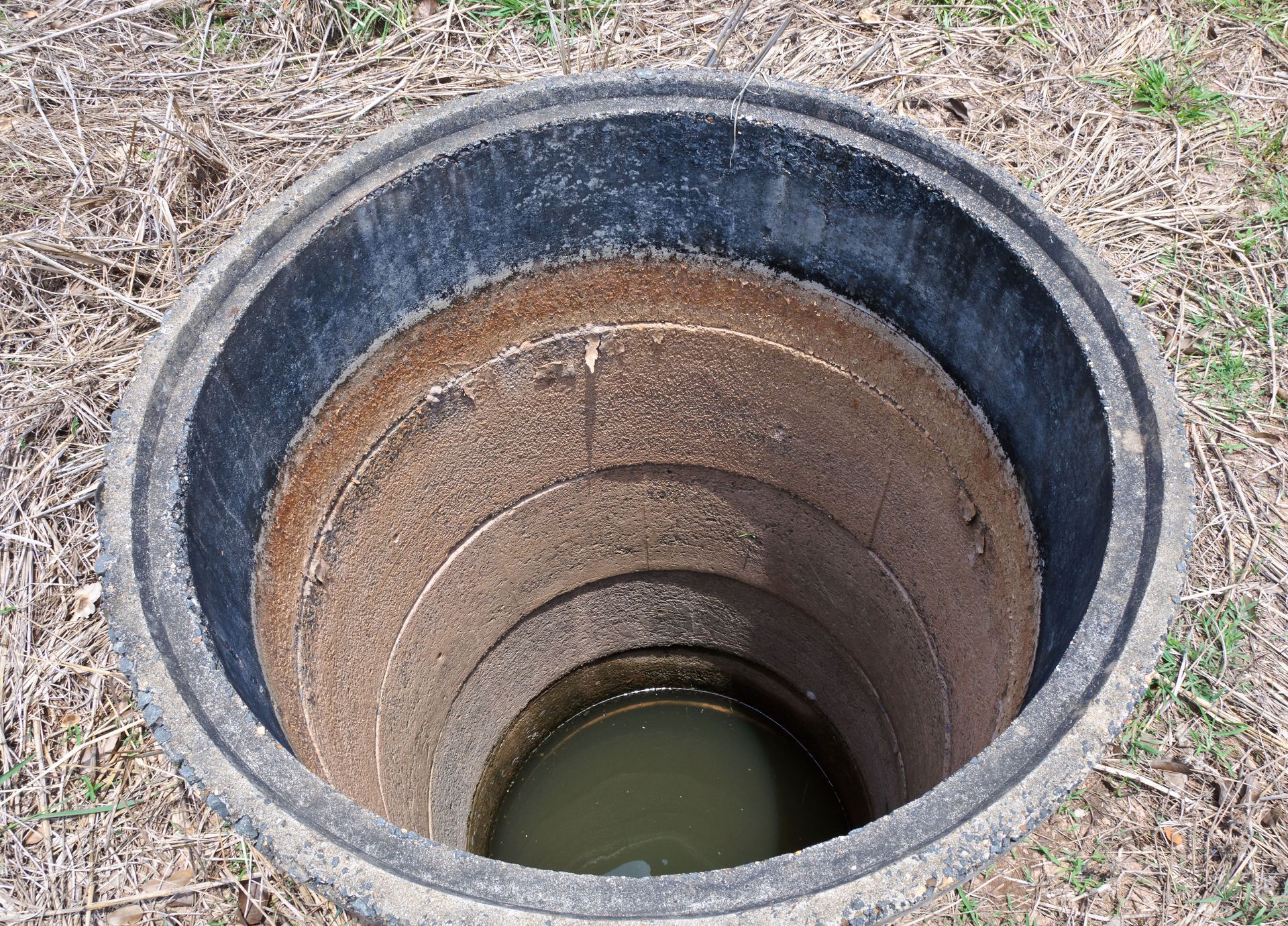
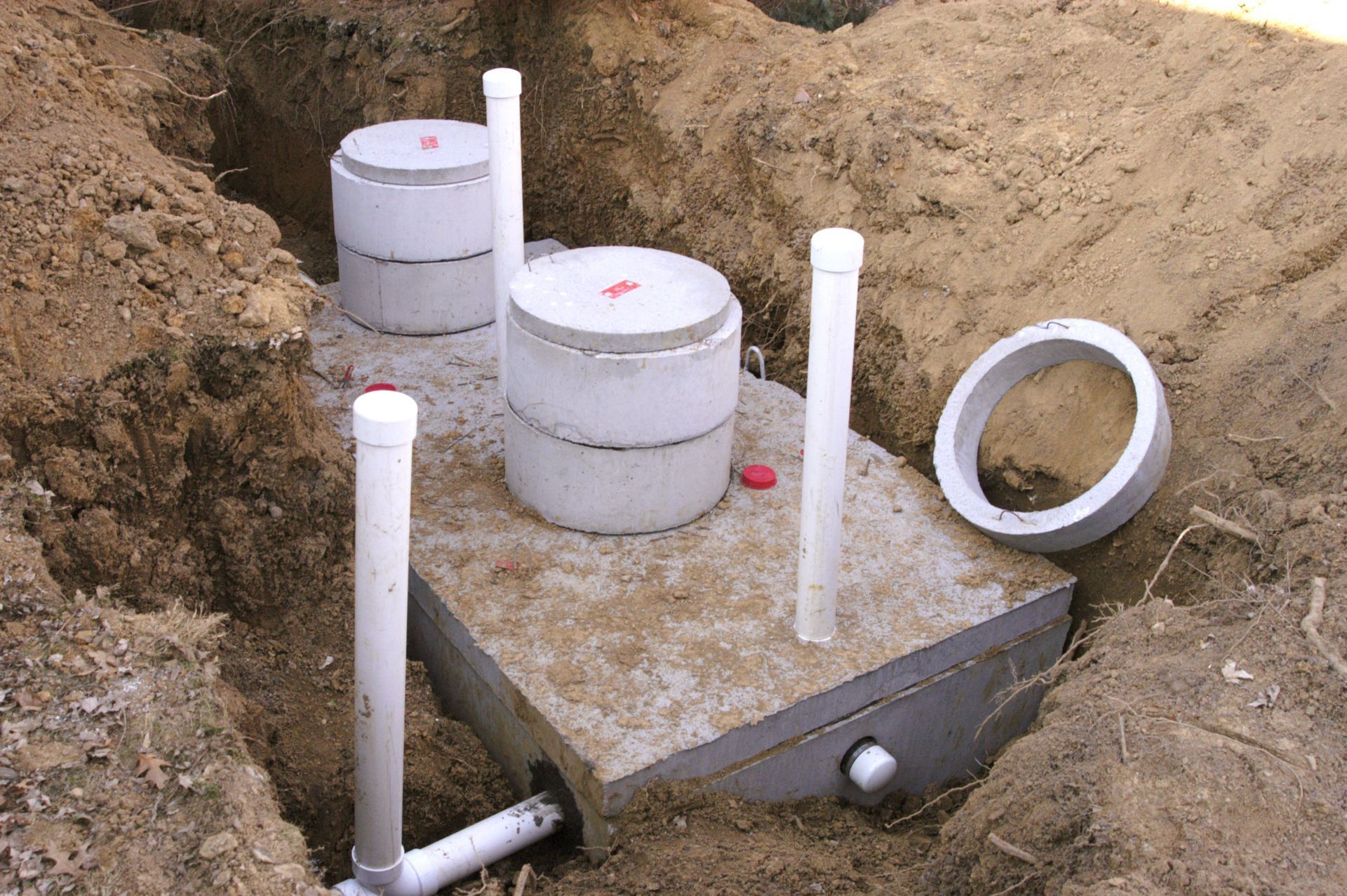
Locating your septic tank and drain field is critical for effective maintenance. The tank is usually buried a few feet underground, and having an accurate map or marks on your property helps in preventing accidental damage. Regularly checking these areas can preemptively identify potential issues. Knowing where your drain field lies is especially crucial, as this area is sensitive to pressure and can suffer harm from compaction. Understanding the layout of your septic components facilitates better maintenance practices.
Learn How Your Septic System Processes Wastewater
Learning how your septic system processes wastewater helps in assessing its health. Wastewater processes differently across systems, but generally, it flows into the septic tank where solids settle to the bottom while liquids flow to the drain field. The separation process can be disrupted if not properly maintained. Knowing this process enables homeowners to identify symptoms of system failure early, such as standing water or foul odors. Regular education on your system’s operation supports better upkeep.
Recognize Common Signs of Septic System Failure
Signs of septic system failure are often subtle at first, making prompt recognition vital. Common symptoms include slow draining fixtures, unpleasant odors near the tank or drain field, and persistently wet ground. These indicators advise a need for immediate attention, possibly forestalling more severe damage. Homeowners should routinely inspect for these warning signs to maintain their system's health. Early detection not only saves money but also extends the life of the system.
Understand Local Regulations and Guidelines
Local regulations and guidelines often govern septic system maintenance, reflecting environmental and health considerations. These rules can vary by region, encompassing required inspections and accepted waste treatment practices. The United States Environmental Protection Agency, for example, suggests homeowners inspect their septic systems every three years. Adhering to local ordinances ensures compliance and guarantees your septic system doesn't pose a threat to the community or environment. Being informed of your responsibilities avoids potential fines and supports sustainable practices.
Regular Pumping Schedule
Importance of Timely Pumping
The importance of timely septic tank pumping cannot be overstated, as it prevents system overload. When solids accumulate faster than they decompose, they can clog the system and lead to failures. Regular pumping removes these solids, ensuring continuous operation. Experts recommend setting a schedule according to your household size, system capacity, and wastewater volume. Timely pumping not only keeps the system efficient but also prevents costly repairs and protects home value.
Recommended Pumping Frequency
The frequency for pumping septic tanks varies with different household needs and system specifications. On average, most tanks require pumping every three to five years, but this can change based on usage. Heavy water usage and larger households might necessitate more frequent services. Keeping track of this schedule ensures effectiveness and avoids the risk of overflow or system backup. Consistent follow-up on pumping schedules promotes longevity and dependability.
Finding the Right Professional for Pumping Services
Finding a suitable professional for septic pumping should be more than a cursory decision. It's essential to seek licensed and insured contractors who have experience with your type of septic system. Recommendations from neighbors or local reviews can guide you to reliable service providers. Always obtain multiple quotes and ensure the chosen company adheres to environmental and safety standards. A good professional not only solves immediate issues but also offers viable advice for prolonged system care.
Understanding the Pumping Process
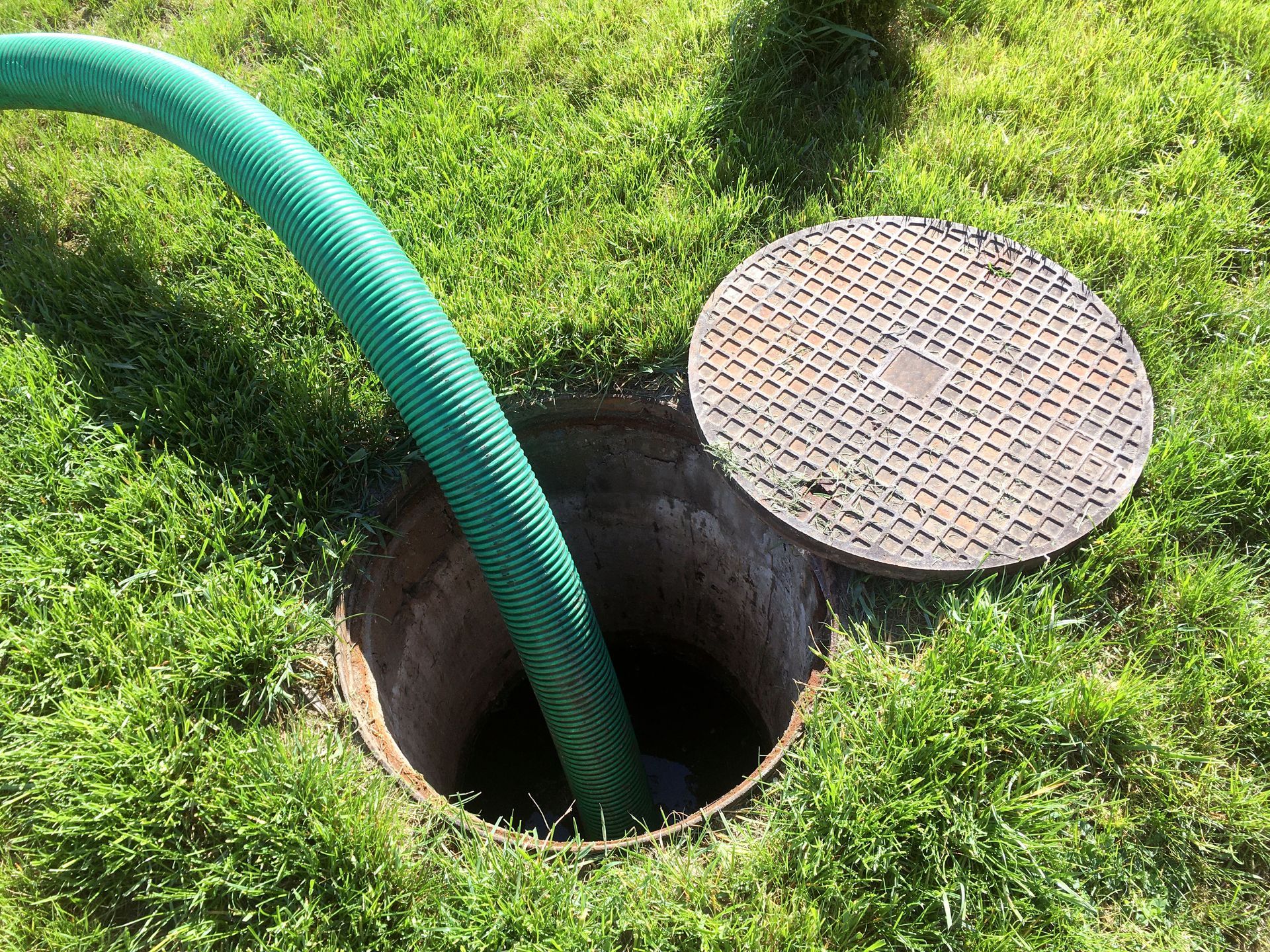
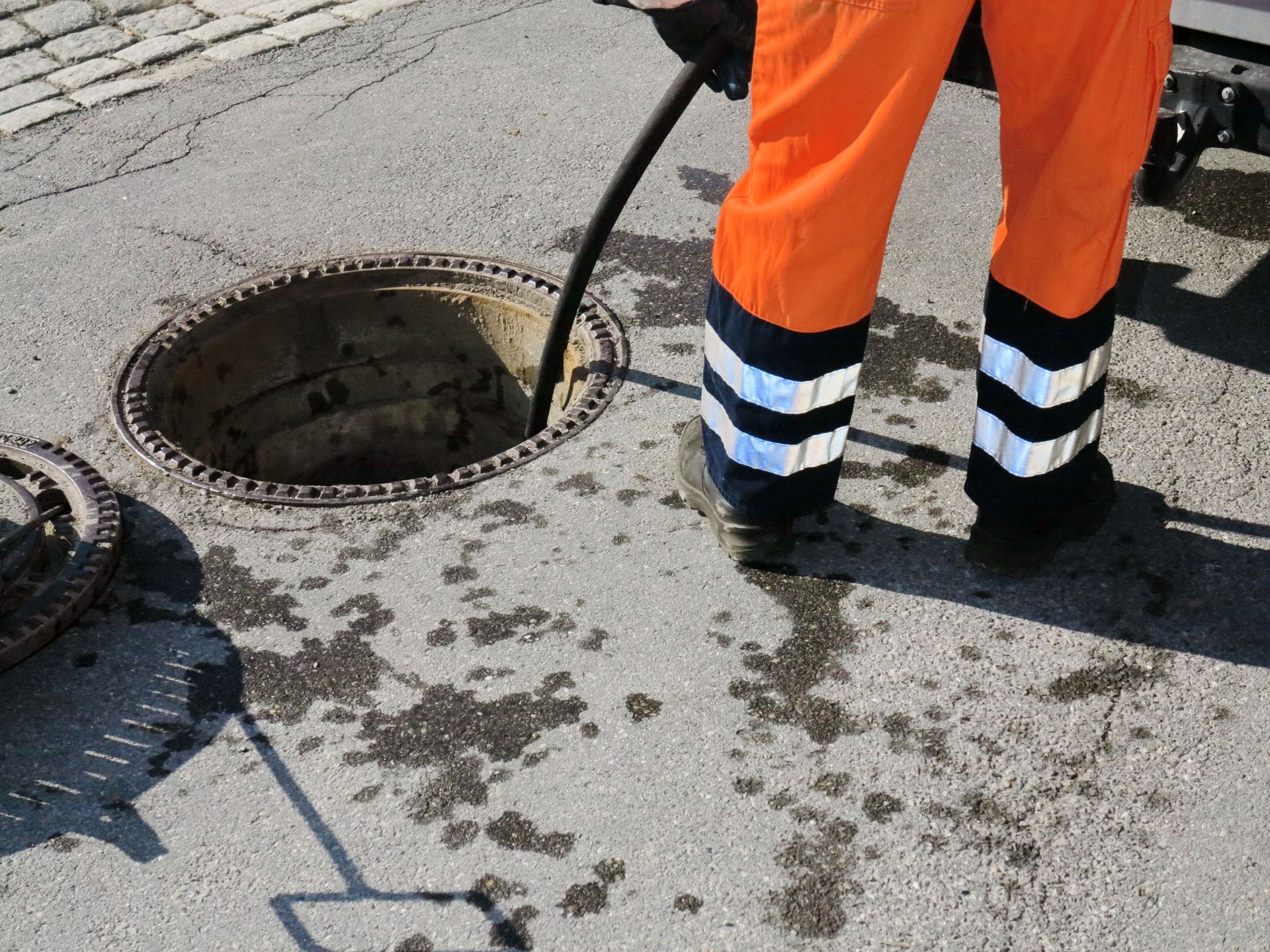
The pumping process is relatively straightforward, yet understanding it can demystify septic tank maintenance. Professionals access the tank through a hatch to remove accumulated waste, typically using large vacuum hoses. This removal prevents the buildup of solids that can interfere with the system's natural process. Knowing this process can alleviate concerns and prepare you for what to expect during service calls. A better understanding also fosters confidence in maintaining regular pumping schedules.
Record Keeping for Septic Pumping
Effective record-keeping is an integral part of septic system maintenance. Documenting each pumping service includes the date, type of service performed, technician details, and any recommendations offered. Such records assist in scheduling future maintenance and provide historical data that can point out recurring issues. Organized records also aid in property sales by demonstrating proper septic care. A vigilant approach to recording maintenance activities supports system health over time.
Water Conservation Practices
Benefits of Water Conservation for Your Septic System
Conserving water is beneficial for enhancing your septic system's efficiency and longevity. Reduced water flow lessens the load on the system, minimizing the risk of overload and failure. This practice allows the system to process waste without undue stress, reducing maintenance needs. Additionally, conservation measures extend the life of your drain field, a critical component for wastewater treatment. Homeowners should view water conservation as a proactive step in preserving both their system and the environment.
Implementing Efficient Fixtures and Appliances
Integrating water-efficient fixtures and appliances is a key strategy in effective water conservation. Low-flow toilets, showerheads, and faucet aerators significantly decrease household water use. Similarly, energy-efficient dishwashers and washing machines use less water while maintaining performance standards. These upgrades not only reduce stress on your septic system but also lower utility bills. Investing in efficiency is a dual benefit, conserving both water and financial resources.
Habitual Water-Saving Practices
Developing habitual water-saving practices is a daily responsibility that supports your septic system. Simple changes like shorter showers, turning off taps while brushing teeth, or running full loads in appliances can cumulatively reduce water waste. Encouraging family members to adopt these habits establishes a household culture of conservation. Such practices demonstrate mindfulness towards resource management and foster long-term environmental stewardship. Consistent application of these habits keeps your septic system robust.
Fixing Leaks and Drips Promptly
Addressing leaks and drips promptly prevents excess water from entering the septic system. Even minor leaks can significantly impact the load on the system, as constant drips accumulate into considerable volumes over time. Regular inspections of plumbing fixtures and timely repairs curtail water wastage. Being proactive in plumbing maintenance thus supports the health of the septic system. Quick action on leaks conserves water and reduces potential strain on your system.
Proper Laundry Practices for Septic System Health
Laundry practices have a direct impact on septic system health and efficiency. Ensuring full loads in the washing machine reduces the frequency of cycles, lessening water usage. Choosing biodegradable detergents is also crucial, as harsh chemicals can harm the system's biological process. Spacing out laundry days allows the septic system to process water more manageably. These practices collectively result in less water flow and gentler treatment on your system, promoting its longevity.
Regular maintenance of your septic system is critical in ensuring its longevity and functionality. By following these expert tips, homeowners can avoid the inconvenience and expense of system failures. Consistent effort and vigilance will help you maintain a healthy septic system that effectively manages household waste. Be sure to reach out to John C Cascio Septic Service today for more information on our professional local septic service!