April 21, 2026
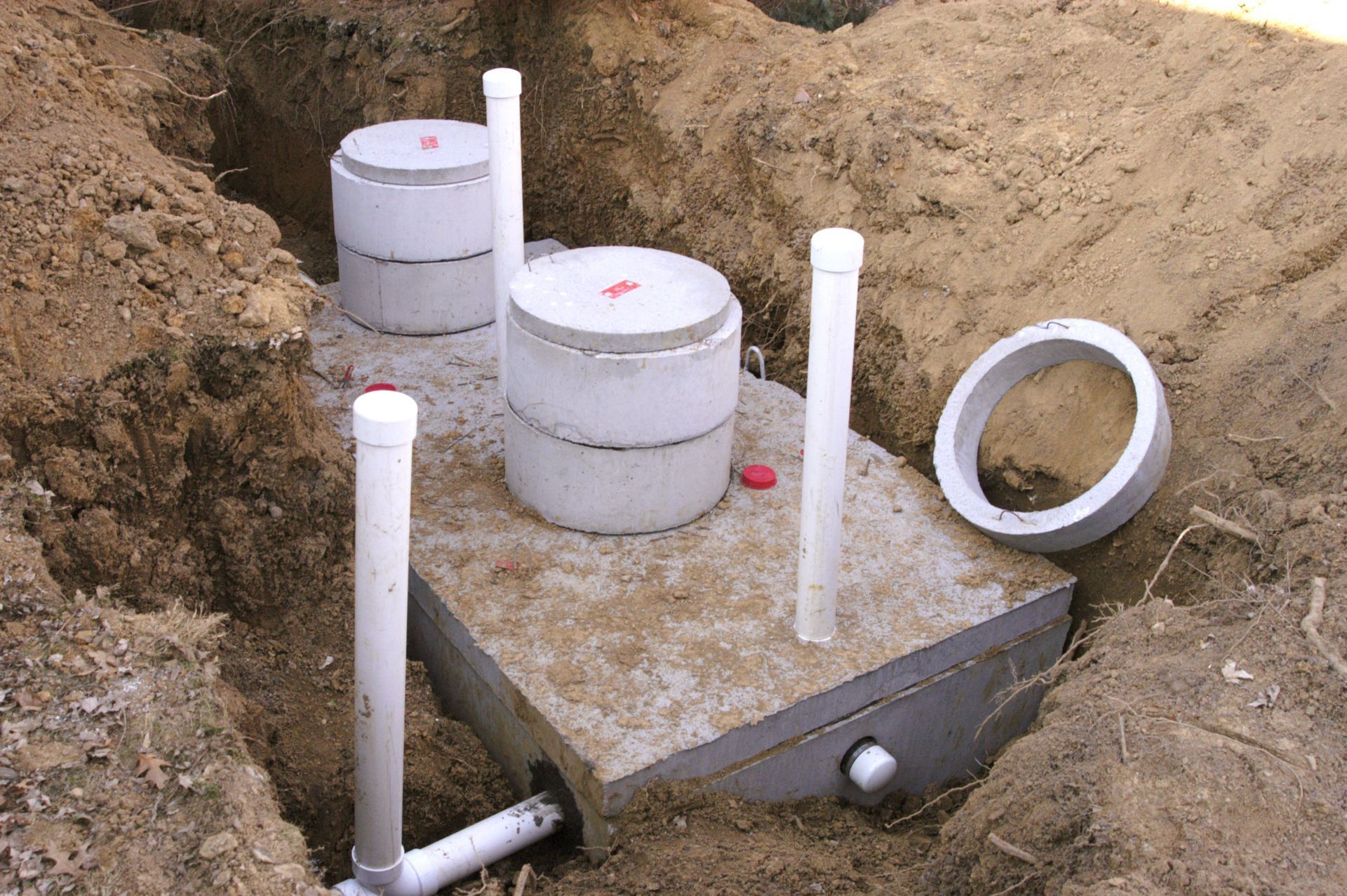
Understanding the importance of septic system maintenance is crucial for homeowners. It is important to prepare properly and prevent expensive septic repairs. Septic systems are composed of several key components that work together to treat wastewater. These components include the septic tank, distribution box, and drain. The septic tank is responsible for holding waste and allowing solids to settle, while the distribution box directs the flow of effluent to the drain. Understanding these components is crucial for proper maintenance and early detection of potential issues. Proper functioning of each part ensures the overall efficiency of the system and helps avoid unnecessary septic repairs. A septic system processes household wastewater by separating solids from liquids. Wastewater flows from the house into the septic tank, where solids settle at the bottom, forming sludge. The liquid effluent then passes through the distribution box and is evenly distributed into the drain. Bacteria in the soil further treat the wastewater before it reenters the groundwater system. Regular maintenance ensures this process continues smoothly without failures.
Recognizing the Lifespan and Efficiency of Modern Septic Tanks
There are various types of septic systems, including conventional, chamber, and drip distribution systems. Conventional systems are the most common and consist of a septic tank and a gravel-filled drain. Chamber systems use plastic chambers instead of gravel, providing a larger surface area for wastewater treatment. Drip distribution systems are used in areas with shallow soil and use drip tubing to evenly distribute effluent. Understanding the type of system you have helps in proper maintenance and troubleshooting. Regular maintenance of a septic system is essential to prevent costly septic repairs and ensure longevity. This includes routine pumping, inspections, and monitoring of water usage. According to the US EPA, the typical durability of a septic tank made of concrete extends to 50 years or even longer when it is cared for correctly. Neglecting maintenance can lead to system failures, environmental contamination, and expensive septic repairs. Homeowners should prioritize regular check-ups to keep their systems functioning effectively. Recognizing signs of a failing septic system early can prevent severe damage and expensive septic repairs.
Protecting Your Underground Infrastructure from External Damage
Using chemical drain cleaners can harm the bacteria in the septic tank that are essential for breaking down waste. These chemicals can also damage the tank and pipes, leading to costly septic repairs. Instead, homeowners should use natural alternatives, such as baking soda and vinegar, to clear minor clogs. Regular maintenance and mindful disposal of waste can prevent the need for harsh chemicals. Protecting the septic system from harmful substances ensures its longevity and efficiency. Regular inspections for leaks and blockages are vital to maintaining a septic system's functionality. Leaks can lead to water loss and increase the risk of system overload. Blockages can cause backups and damage to the system. Homeowners should routinely check plumbing fixtures, pipes, and the drain for signs of leaks or blockages. Promptly addressing these issues can prevent more significant problems and costly septic repairs. The drains a critical component of the septic system that requires careful maintenance. Homeowners should avoid parking vehicles or placing heavy objects on the drain to prevent soil compaction.
Optimizing Your Outdoor Landscape for Septic
System Longevity
Regularly inspecting the area for pooling water and unpleasant odors can help identify potential issues. Planting appropriate vegetation can help absorb excess water and reduce the risk of soil erosion. Proper maintenance of the drain ensures the system's overall effectiveness and longevity. Choosing the right vegetation is essential for maintaining a healthy septic system. Shallow-rooted plants and grasses are ideal for planting near the d. These plants help absorb excess water without damaging the system. Avoid planting trees and shrubs with deep roots, as they can interfere with pipes and cause blockages. Proper landscaping can enhance the efficiency of the septic system and prevent costly septic repairs. Tree roots pose a significant threat to septic systems, as they can infiltrate pipes and cause blockages. Homeowners should be mindful of tree placement and avoid planting trees near the septic tank. Regularly inspecting the area for signs of root intrusion can help prevent damage. Consulting with a landscaping professional can provide guidance on tree placement and management.
Developing Sustainable Habits to Reduce Daily
System Stress
Regularly inspecting and maintaining these areas can prevent potential issues and costly septic repairs. Incorporating septic-safe landscaping practices can enhance the system's efficiency and protect the environment. By creating a septic-safe yard, homeowners can enjoy a beautiful landscape without compromising their septic system. Installing low-flow fixtures is an effective way to conserve water and reduce the strain on a septic system. Low-flow toilets, showerheads, and faucets can significantly decrease water usage without sacrificing performance. These fixtures can help prevent system overload and prolong the septic system's lifespan. Homeowners should consider upgrading to low-flow fixtures as part of their water conservation efforts. Investing in water-saving technology benefits both the environment and the septic system. Leaks in the plumbing system can lead to excessive water usage and put stress on the septic system. Homeowners should regularly check for leaks in faucets, toilets, and pipes. Fixing leaks promptly can prevent water waste and reduce the risk of system overload. Monitoring water bills for unexplained increases can help identify hidden leaks.
Addressing Common Indicators of Performance and System Failure
Proactive leak detection and repair are essential for maintaining a healthy septic system. Practicing efficient laundry habits can significantly reduce water usage and benefit the septic system. Homeowners should consider washing full loads and spacing out laundry days to avoid overwhelming the system. Using high-efficiency washing machines can also reduce water and energy consumption. Avoiding liquid fabric softeners can prevent buildup in the septic tank. Implementing these practices can enhance the efficiency of both the laundry process and the septic system. Reducing toilet water usage is a simple yet effective way to conserve water and protect the septic system. Homeowners can install dual-flush toilets or adjust the float valve to decrease water per flush. Placing a water-filled bottle in the toilet tank can also reduce water usage. Educating household members about mindful flushing habits can further enhance water conservation efforts. Reducing toilet water usage helps prevent septic system overload and prolongs its lifespan. Adopting smart water usage habits is essential for conserving water and maintaining a healthy septic system.
Adopting sustainable septic practices benefits both the environment and the homeowner. Implementing water conservation strategies, reducing chemical use, and regular maintenance contribute to a sustainable system. Homeowners should prioritize eco-friendly products to minimize environmental impact. Educating household members about sustainable practices can enhance overall system management and prevent septic repairs. By following these guidelines, homeowners can significantly reduce the risk of costly septic repairs, ensuring a safe and efficient system for years to come. Beyond daily habits, professional inspections play a vital role in identifying structural issues that often go unnoticed by the untrained eye. Early detection of wear or minor blockages can prevent the sudden failure of your drain, saving you from significant property damage and unexpected expenses. By combining your proactive household efforts with expert technical support, you ensure that your waste management system remains reliable and compliant with local health standards, ultimately protecting your home's value and your family's comfort. For reliable maintenance and professional assistance, contact John C Cascio Septic Service.