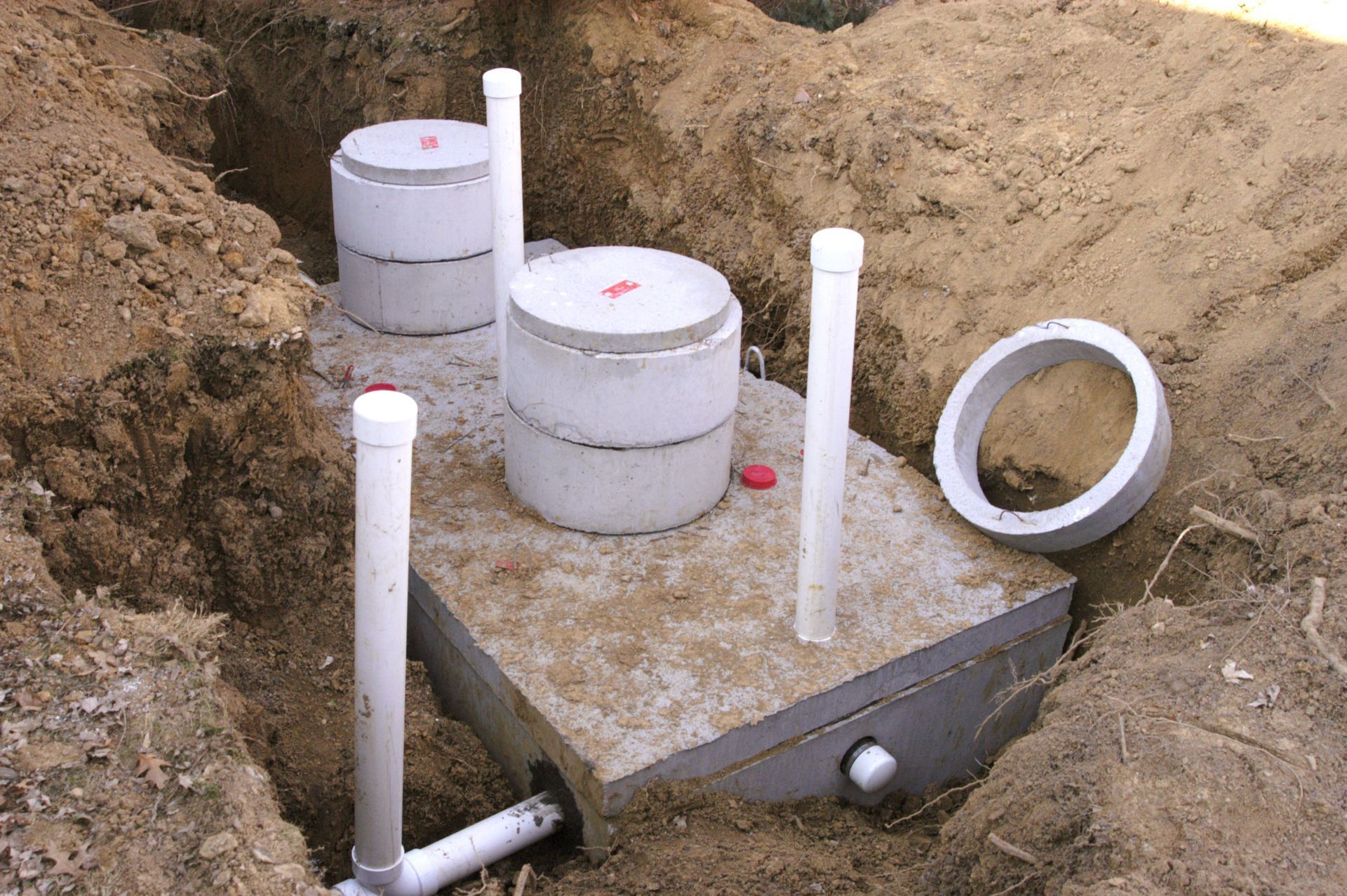
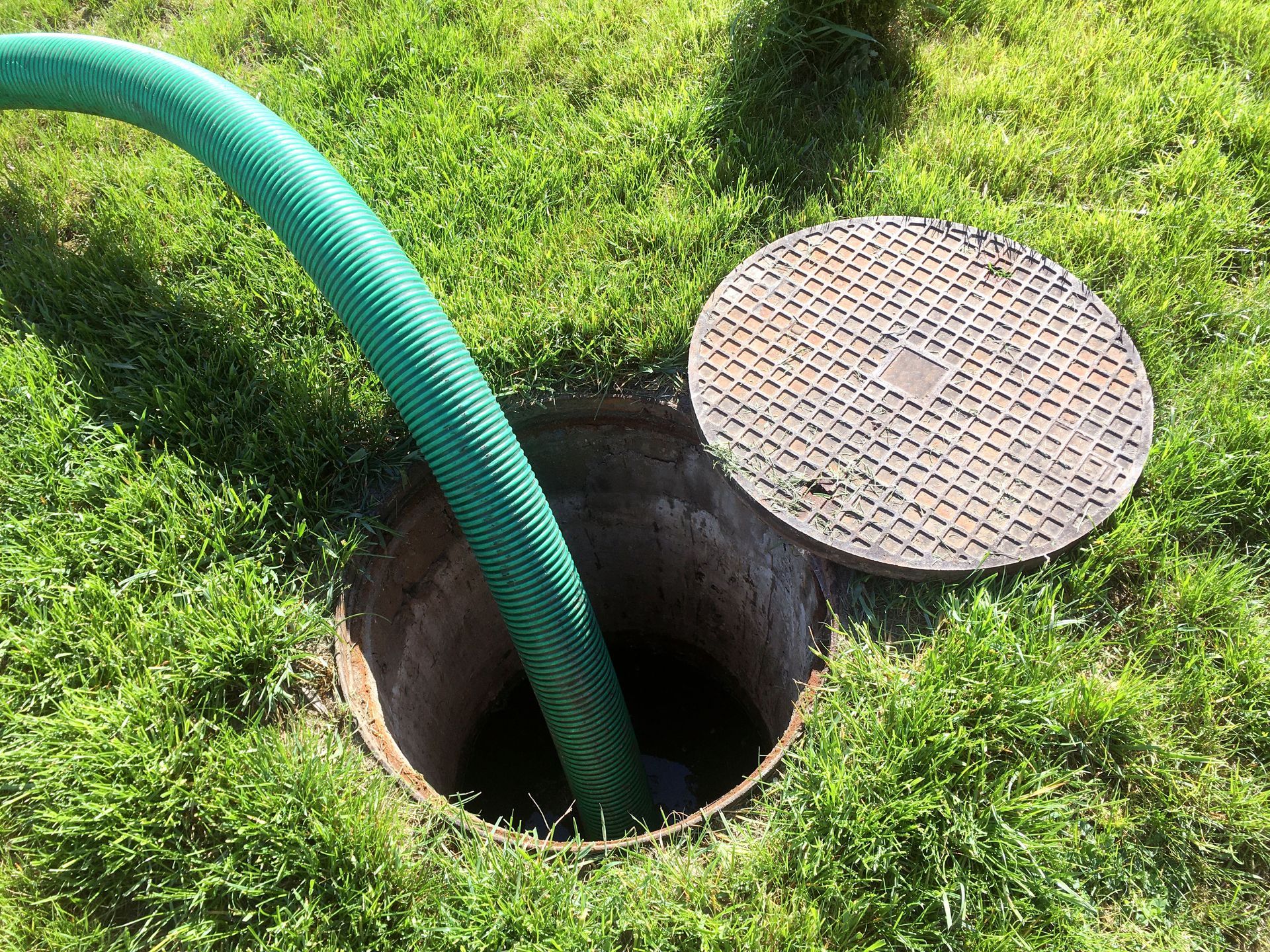
Septic systems play a critical role in managing wastewater for millions of homes and properties across the country. Despite how common these systems are, many homeowners still have misunderstandings about how they work and what proper maintenance actually involves. These misconceptions can lead to neglected maintenance, preventable repairs, and costly problems that could have been avoided with accurate information.
Many people only think about their septic system when something goes wrong, which often allows myths and assumptions to influence important decisions. Understanding the truth behind common misconceptions can help homeowners better protect their systems and know when professional assistance is needed. Learning how septic companies actually operate and what services they provide can help remove confusion and support better long-term system care.
Myth: Septic Systems Never Need Maintenance
One of the most common misconceptions is that septic systems can operate indefinitely without any maintenance. Some homeowners believe that because septic systems are buried underground and out of sight, they do not require regular attention. Unfortunately, ignoring maintenance can allow solids to build up and eventually create serious problems.
Routine pumping, inspections, and monitoring are important parts of keeping a septic system functioning properly. Septic companies frequently work with homeowners to establish maintenance schedules that help prevent backups, system overload, and unnecessary repairs. Preventative care often costs much less than dealing with a failed septic system.
Myth: All Septic Problems Require Full Replacement
Many homeowners fear that any issue involving a septic system automatically means complete replacement of the entire system. While severe damage can sometimes require major work, many septic issues can be addressed through repairs, cleaning, or targeted component replacement.
Professional inspections help determine the actual cause of the issue before major decisions are made. Septic companies often identify solutions such as repairing damaged pipes, replacing pumps, or resolving drainage concerns without requiring full system replacement. Accurate diagnosis can save homeowners significant time and expense.
Myth: Additives Eliminate the Need for Professional Service
Some products claim that septic additives can replace pumping and maintenance entirely by breaking down waste within the tank. While certain additives may have specific purposes, they generally do not eliminate the need for professional service or routine system care.
Relying solely on additives can create a false sense of security and may allow solids to accumulate over time. Septic companies typically recommend regular inspections and pumping schedules rather than depending on additives alone to maintain system performance.
Myth: You Can Flush Anything Labeled "Flushable"
Many products marketed as flushable create confusion for homeowners. Wipes, hygiene products, and other materials may claim to break down safely, but many of these items do not decompose quickly enough within septic systems.
These materials can contribute to clogs, pipe obstructions, and system strain. Septic companies frequently encounter service calls involving products that should never have been introduced into the system. Limiting what enters the septic system helps reduce the risk of avoidable damage.
Myth: Septic Systems Only Serve Rural Homes
Some people assume septic systems are used only in remote areas with limited infrastructure. While rural properties commonly rely on septic systems, many suburban communities and residential developments also use them successfully.
According to the EPA, more than 60 million people in the nation are served by septic systems. This widespread use demonstrates that septic systems remain an important wastewater solution across many different types of communities. Septic companies serve a broad range of homeowners and properties rather than a single type of location.
Myth: Slow Drains Always Mean a Septic Failure
Slow drains can certainly indicate a septic problem, but they do not automatically mean the entire system has failed. Simple plumbing issues such as localized clogs, blocked pipes, or drainage restrictions may create similar symptoms.
Professional evaluations help identify the exact source of the problem before assumptions are made. Septic companies often use diagnostic tools and inspections to determine whether the issue originates within the septic system or elsewhere in the plumbing network.
Myth: Septic Systems Can Handle Unlimited Water Use
Another common misunderstanding is that septic systems can process any amount of water entering the system. Excessive water use can overload the tank and drain field, reducing the system's ability to separate solids and process wastewater properly.
Large amounts of water from long showers, multiple laundry loads, or plumbing leaks can create unnecessary strain. Septic companies often encourage homeowners to spread out water usage and address leaks quickly to protect overall system performance.
Myth: Repairs Can Wait Until a Major Problem Appears
Some homeowners postpone repairs because small septic issues may not seem urgent at first. However, minor concerns can become larger problems if they are ignored over time. Small leaks, unusual odors, or slow drainage may indicate developing issues beneath the surface.
Addressing concerns early often reduces repair costs and prevents larger disruptions later. Septic companies frequently emphasize the importance of responding to warning signs before system damage becomes more extensive.
Myth: Septic Services Are Only Needed During Emergencies
Many homeowners contact septic professionals only after experiencing backups or serious system failures. While emergency services are important, routine maintenance and inspections often play an even greater role in long-term system performance.
Regular service visits help identify developing problems before they become emergencies. Septic companies work proactively with homeowners to monitor system health and maintain reliable operation over time.
Myth: Landscaping Around the Septic Area Does Not Matter
Some homeowners assume landscaping choices have little effect on their septic system. In reality, tree roots, heavy structures, and improper grading can all create problems for underground components.
Planting large trees too close to the system or placing heavy objects above the tank and drain field may damage pipes and restrict functionality. Septic companies often provide recommendations regarding safe landscaping practices that help protect underground system components.
Myth: Older Septic Systems Cannot Continue Functioning Efficiently
Age alone does not necessarily determine whether a septic system needs replacement. Older systems that receive proper maintenance and timely repairs can often continue functioning effectively for many years.
Professional inspections help evaluate overall system condition rather than relying solely on age. Septic companies can assess whether repairs, upgrades, or maintenance solutions may extend the life of an existing system.
Myth: Septic Inspections Are Only Necessary When Buying a Home
Many homeowners believe septic inspections are only important during real estate transactions or before purchasing a property. While inspections are commonly performed during home sales, they can also be valuable as part of routine system maintenance. Waiting until a property changes ownership can allow small issues to remain undetected for years.
Regular inspections help identify developing concerns such as tank buildup, drainage issues, or component wear before they become major problems. Septic companies often recommend periodic evaluations because they provide insight into the condition of the system and help homeowners address issues proactively rather than waiting for noticeable failures to occur.
Misunderstandings about septic systems can lead homeowners to make decisions that increase costs and create unnecessary problems. Understanding the truth behind these common myths helps support better maintenance habits and smarter decisions regarding system care. If you have questions about your system or need professional assistance, John C Cascio Septic Service is here to help. Contact our team today to learn more about how experienced septic companies can help protect the performance and longevity of your septic system.