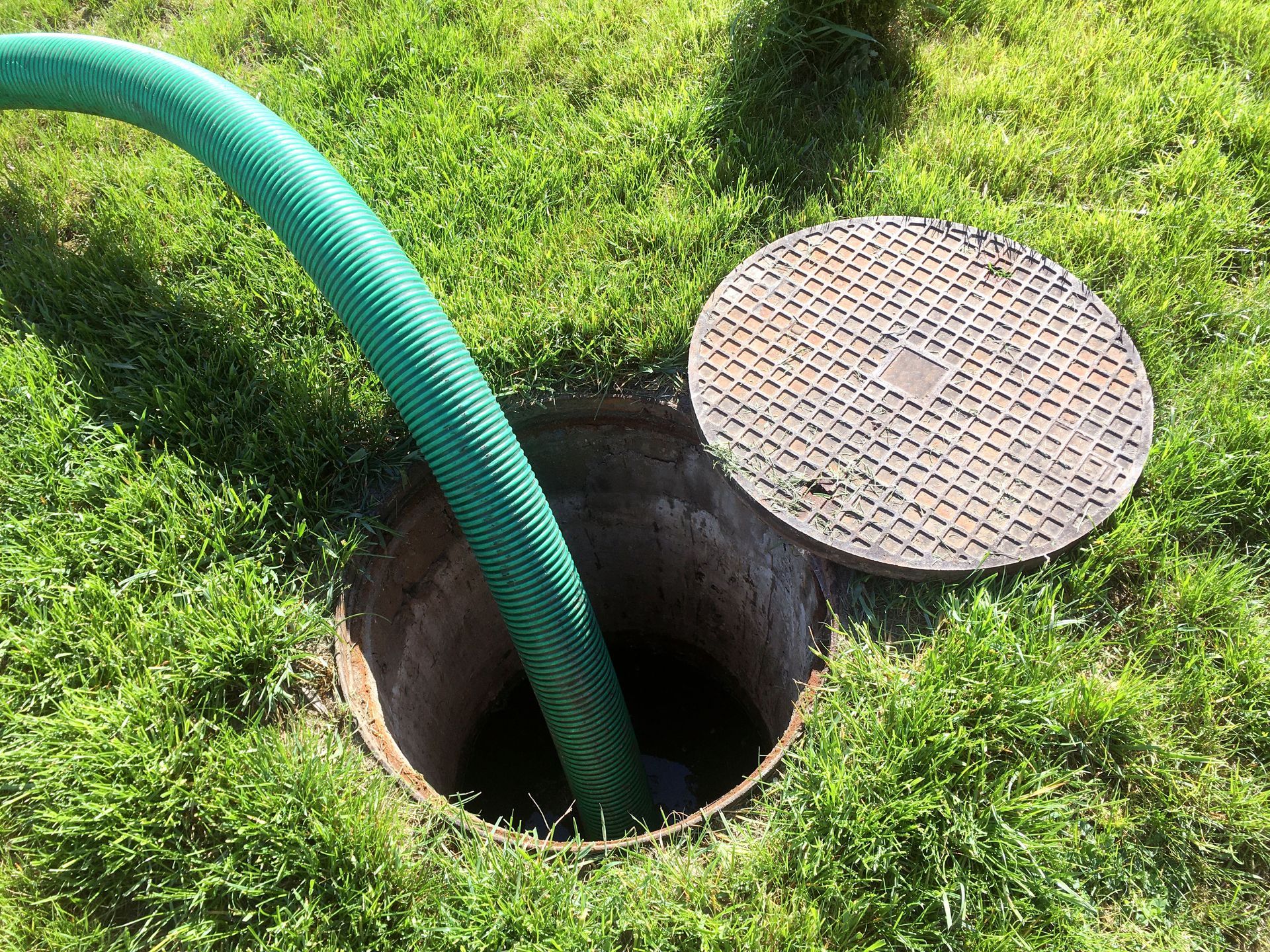
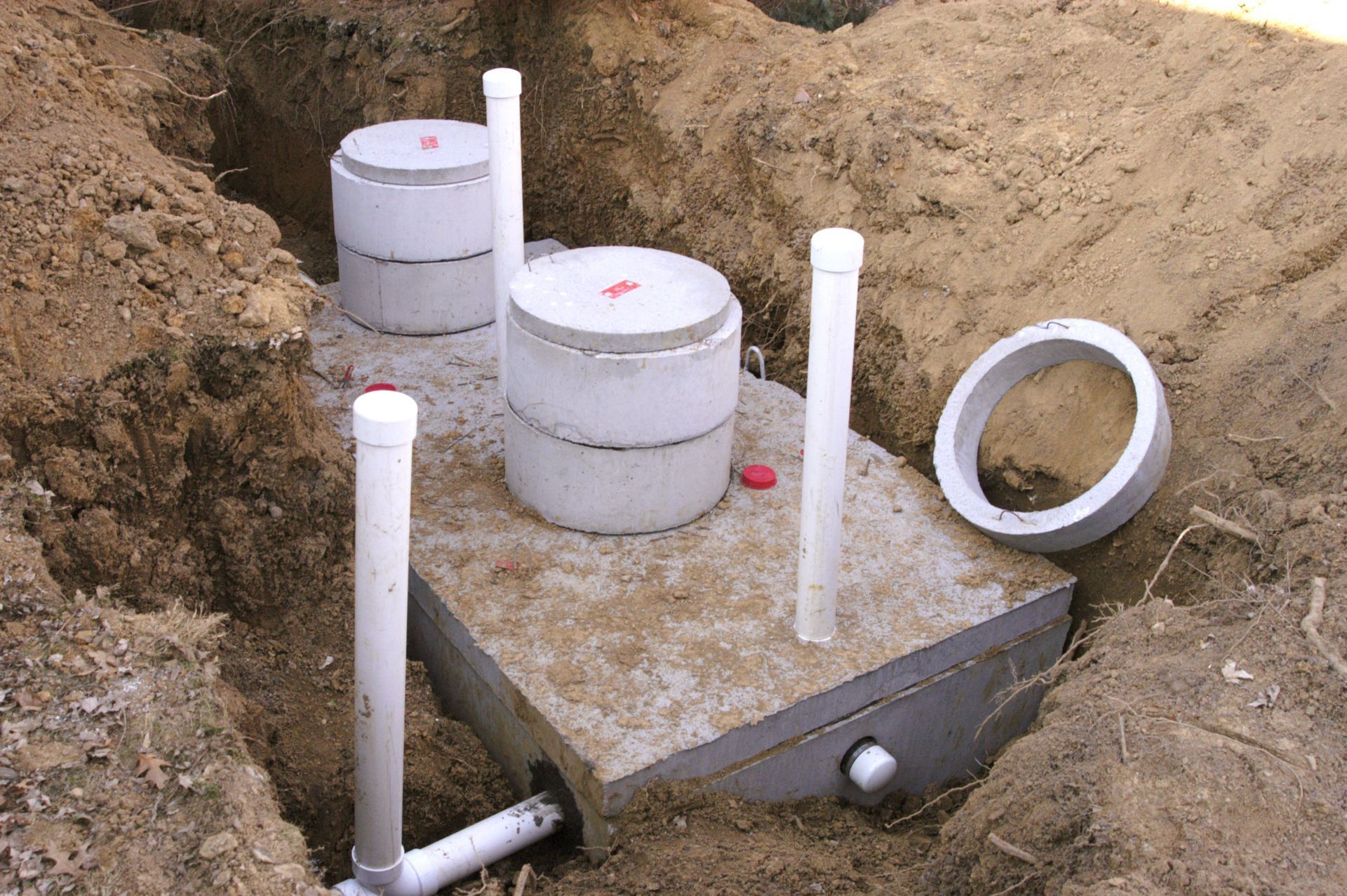
Owning a home in a rural or suburban area often comes with the responsibility of managing a private waste disposal network. While city dwellers rarely think about where their wastewater goes after it disappears down the drain, those who rely on an underground treatment setup must be far more vigilant. This subterranean infrastructure is a silent workhorse, processing everything from laundry water to kitchen scraps without complaint—until something goes wrong. The longevity of this setup depends almost entirely on the attentiveness of the homeowner. Neglect often leads to catastrophic failure, while proactive management ensures that the system serves the household for several decades. Understanding the mechanics of how these systems age and fail is the first step in preserving the value and health of a property.
A septic system is not a static container but a living biological environment. It relies on a delicate balance of bacteria to break down solids and a functional drainage area to filter liquid waste back into the earth. When this balance is disrupted, the consequences ripple through the entire property, affecting soil quality, groundwater safety, and even the structural integrity of the home itself. Many homeowners wait until they smell a foul odor or see standing water in their yard before they consider calling for help. However, the most effective way to ensure a long lifespan for your infrastructure is to address minor issues long before they become emergencies. By prioritizing maintenance, you are not just fixing a pipe; you are protecting a complex environmental cycle that exists right beneath your feet.
Identifying Early Warning Signs
Recognizing the subtle changes in how your drains perform can be the difference between a simple fix and a total replacement. Often, the first indication that something is amiss is a slight change in the speed of drainage in the lowest level of the house. You might notice that the shower takes a few extra moments to clear or that the toilet gurgles when the washing machine is running. These are not merely quirks of an older home; they are signals that the underground pressure is changing. Ignoring these small hints allows a minor blockage or a slight backup to grow into a much larger problem. When you take action at this stage, you are engaging in the kind of preventative care that keeps the entire network flowing smoothly.
Early detection also involves keeping a close eye on the landscape surrounding the treatment area. If the grass over the drain field is remarkably greener or grows faster than the rest of the yard, it may indicate that the soil is receiving too much liquid waste. This saturation suggests that the filtration process is no longer keeping up with the volume of water entering the tank. By seeking professional septic repairs at the first sign of lush vegetation or spongy soil, you prevent the soil from becoming permanently clogged with solids. Once the soil in a drain field is compromised, the cost of restoration increases significantly. Vigilance is the primary tool for any homeowner who wishes to avoid the stress of a failing waste system.
Maintaining Biological Balance Inside
The health of the system depends on the microscopic organisms that live within the tank. These bacteria are responsible for liquefying solids, which prevents the tank from filling up too quickly and keeps the exit pipes clear. According to This Old House, most septic tanks are designed to hold more than 1,000 gallons of waste. This massive volume requires a robust population of bacteria to function correctly. However, many common household cleaners and chemicals can kill these beneficial organisms. When the biological activity slows down, solids accumulate at an accelerated rate, eventually pushing into the drain field and causing a total blockage.
Proactive management involves being mindful of what enters the drains and ensuring that the tank is inspected regularly. If a professional determines that the bacterial levels are low or that the sludge layer is becoming too thick, they can recommend specific actions to restore health.
Sometimes, this involves simple septic repairs to internal components like baffles or filters that help manage the flow of waste. These small adjustments ensure that the waste is processed efficiently and that only clear liquid exits into the soil. By respecting the biological nature of the tank, you extend the functional life of the entire setup by many years, avoiding the need for premature and expensive overhauls.
Protecting The Drainage Field Area
The drain field is perhaps the most sensitive part of the entire infrastructure. It consists of a series of perforated pipes buried in trenches filled with gravel or sand. This area is designed to slowly release treated water into the ground, where it undergoes a final purification process. If the drain field becomes compacted by heavy machinery, parked cars, or even the roots of nearby trees, its ability to absorb water is lost. Protecting this space is essential for long-term functionality.
Homeowners should never build structures like sheds or decks over this area, nor should they allow heavy equipment to drive across it, as the pressure can crush the buried pipes.
When pipes in the drainage area do become damaged or blocked by roots, immediate intervention is required to save the field. Engaging in timely septic repairs to replace a crushed pipe or clear out invasive roots can restore the system to its original capacity. If these issues are left unaddressed, the water will eventually back up into the house or pool on the surface of the yard.
Limiting Excessive Water Usage
A common cause of premature failure is hydraulic overloading, which occurs when too much water enters the tank in a short period. Each system is designed to handle a specific daily volume of water based on the number of bedrooms in the house. When a household exceeds this limit—perhaps by doing a dozen loads of laundry in a single day or ignoring a leaking faucet—the tank does not have enough time to separate the solids from the liquids. This results in solid waste being washed out into the drain field, where it clogs the pores of the soil. Managing water flow is a simple but vital part of maintaining the system.
Securing Professional Maintenance Services
While there are many tasks a homeowner can do to protect their waste system, some jobs require the expertise of a trained technician. Professional service providers have the tools and knowledge to assess the condition of the tank, the pipes, and the soil without causing further damage. They can perform high-pressure water jetting to clear pipes or use specialized cameras to see deep inside the underground network. Developing a relationship with a trusted provider ensures that your system receives consistent care over the years. This professional oversight is the final piece of the puzzle in the quest for a long-lasting septic setup.
The secret to a long-lasting septic system is not a mystery; it is simply a combination of mindful usage and prompt action. By treating your underground infrastructure with respect and addressing problems while they are still small, you can avoid the immense cost and frustration of a total failure. Remember that every drain in your house leads to a single, vital point, and its health is a direct reflection of how you care for your property. A commitment to regular maintenance and swift action ensures that your home remains a safe and healthy environment for everyone who lives there.
John C Cascio Septic Service is here to provide the expert care and reliable solutions needed to protect your home’s waste management system and ensure its longevity for decades to come.