Most homeowners rarely think about their underground waste systems until something goes wrong. However, scheduling regular maintenance keeps your home running smoothly and prevents messy yard emergencies. A professional maintenance visit is a straightforward process that clears out accumulated waste and protects your property investment. According to HomeGuide, when a septic system is correctly installed and well-maintained, it'll typically last anywhere from 20 to 40 years.
Uncovering the Main Access Lid
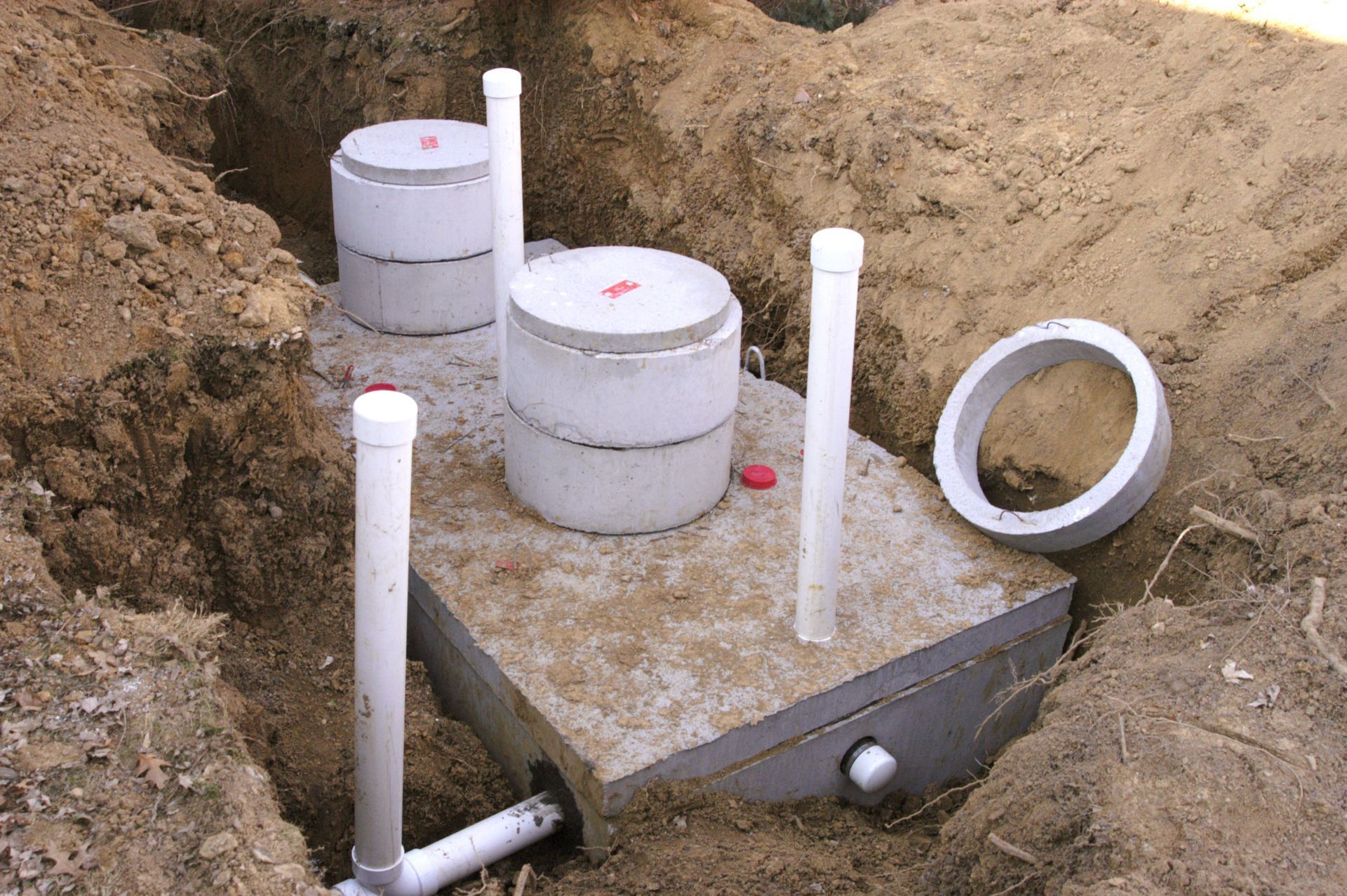
The very first step of the process involves finding the underground tank buried in your yard. Technicians often use specialized electronic transmitters or simple probing rods to pinpoint the exact location of the subterranean structure. If your property features modern plastic risers, this step takes only a few seconds because the lids sit flush with the grass. Older homes might require a bit of shallow digging to uncover concrete covers hidden beneath a few inches of topsoil.
Once the tech finds the sweet spot, they carefully clear away dirt and debris from the cover edges to keep soil from falling inside. Crews handle this opening phase with extreme care to protect your lawn and minimize grass damage. This initial step kicks off the septic pumpout services by creating a clean, unobstructed workspace before any pumping equipment is deployed.
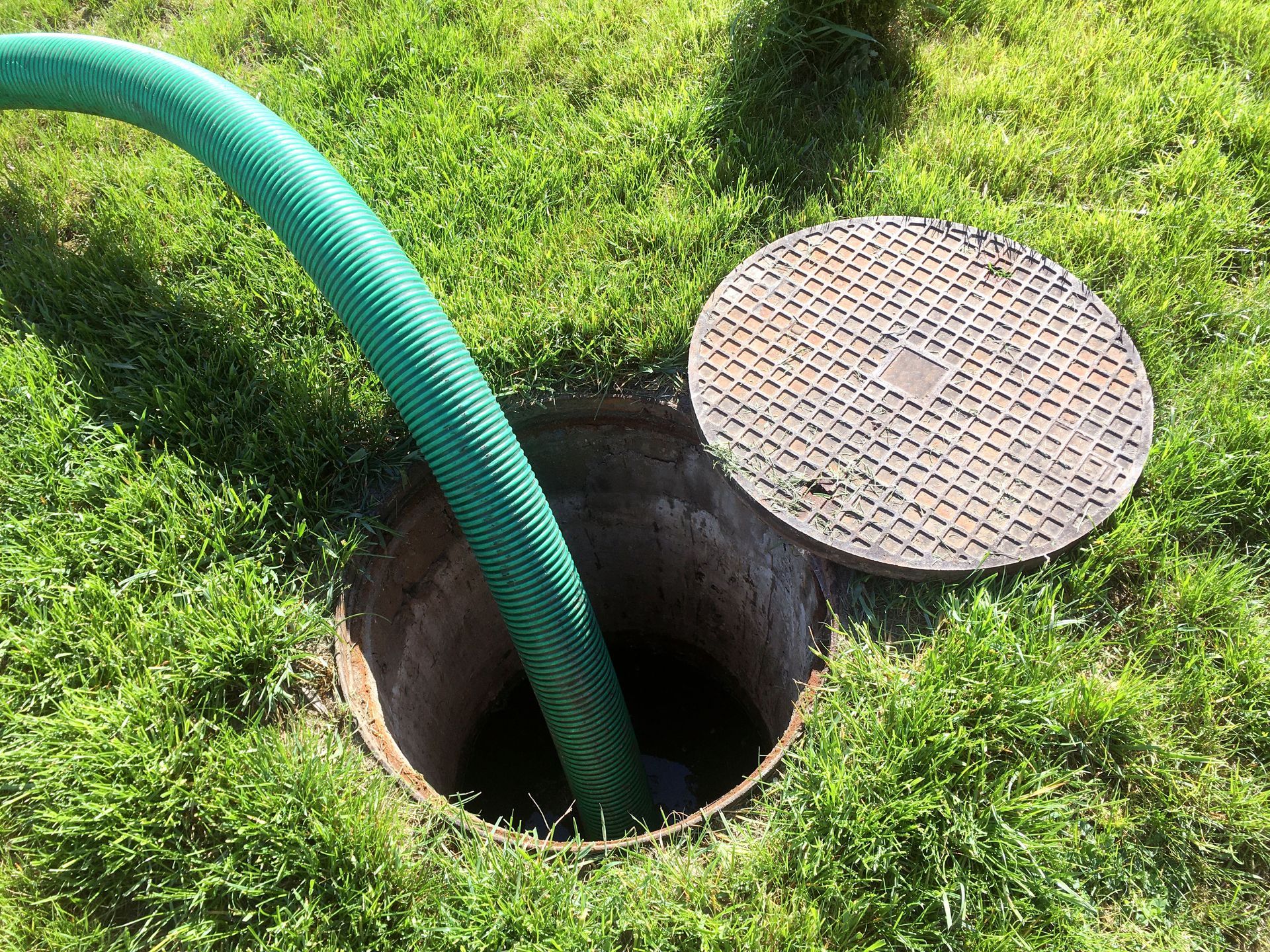
After clearing the surface, the professional carefully pries open the heavy lid using specialized tools. Opening the lid exposes the inner workings of your waste management system and allows the tech to assess the overall fluid levels. This initial look tells the technician a lot about how well your system handles daily household water usage. It sets the stage for the actual extraction phase and allows the team to prepare their heavy machinery.
Positioning the Vacuum Hose
With the tank successfully uncovered, the technician drives the heavy-duty pump truck into a safe position on your driveway or street. These large vehicles carry massive storage tanks and incredibly strong vacuum pumps designed specifically for residential maintenance. Technicians avoid driving these heavy trucks directly onto your lawn to prevent crushing subterranean pipes or creating deep tire ruts in the grass. Instead, they park on solid ground and manually unspool a long, thick suction line toward the access opening.
The crew carefully routes the heavy hose across your yard, avoiding delicate flowerbeds and prized landscaping features. They connect multiple sections of hose if the distance between the street and your backyard tank requires extra length. Every connection is sealed tightly to prevent any accidental leaks or spills on your grass during operation. This careful preparation highlights the value of hiring professional septic pumpout services to handle the dirty work safely.
Once the line reaches the open lid, the technician lowers the nozzle directly into the liquid layer of the tank. The equipment creates an incredibly powerful vacuum seal that pulls heavy waste upward against gravity. Homeowners usually notice a low, steady humming sound from the truck engine during this setup phase. The team monitors every connection one final time before turning on the primary suction valves to begin the main extraction.
Extracting the Accumulated Waste
The actual removal process begins as the powerful vacuum truck starts pulling liquids and broken-down solids out of the chamber. Inside the tank, waste naturally separates into three distinct layers over time: a top scum layer, middle liquid, and bottom sludge. The vacuum nozzle actively breaks through the top crust to draw out the murky water and floating debris simultaneously. Watching the fluid levels drop gives the technician a clear picture of your household waste habits.
As the liquid level goes down, the technician uses a long tool called a muck rake to break up the dense sludge at the bottom. This heavy layer consists of packed solids that do not dissolve easily on their own. Stirring the sludge mixes it back into the remaining liquid so the vacuum hose can suck it up completely. Relying on reliable septic pumpout services makes sure that this stubborn bottom layer gets thoroughly agitated and removed.
The pump runs continuously for about twenty to thirty minutes, depending entirely on the total capacity of your underground system. Technicians keep a close eye on the truck gauges to monitor the flow rate and prevent any equipment blockages. They move the hose around the entire floor of the tank to clear out every single corner. This thorough cleaning restores the full holding capacity of your system so it can handle future wastewater efficiently.
Inspecting the Internal Components
After emptying the tank, the technician shines a high-powered, waterproof light into the dark chamber to check the structural integrity. They carefully look at the concrete or plastic walls to spot any tiny cracks, structural shifting, or signs of chemical wear. Catching minor hairline fractures early prevents groundwater from leaking inside and overloading your absorption area later. This visual assessment gives you valuable peace of mind regarding the hidden infrastructure under your lawn.
Next, the specialist turns their attention to the internal baffles, which are critical T-shaped pipes located at the inlet and outlet ports. The inlet baffle directs incoming household waste downward into the center of the tank to prevent splashing. The outlet baffle keeps floating grease and scum from escaping into your delicate backyard soil treatment area. If these pipes break or clog, the entire home plumbing system suffers from slow drains and nasty backups.
Finally, if your specific setup includes an effluent filter, the technician pulls it out for a thorough cleaning. They rinse away trapped particles with a garden hose directly over the open tank to keep the filter screen clear. Regular filter maintenance keeps solid particles from traveling downstream into your yard, where they can clog soil pores. This step is a standard part of routine septic pumpout services aimed at extending the lifespan of your property.
Sealing the Access Chamber
With the thorough cleaning and visual inspection finished, the technician prepares to close up the entire underground system safely. They carefully lower the heavy concrete or plastic lid back into its exact position over the riser opening. Securing the lid tightly prevents surface rainwater from flooding the system during heavy summer downpour events. It also keeps out unwanted pests, rodents, and curious neighborhood wildlife that might wander near the area.
For systems that require digging, the technician carefully shovels the displaced soil back into the hole over the lid. They pack the dirt down firmly in layers to prevent the ground from settling into an ugly pit later. The team smooths the top layer of soil so you can easily replant grass seed or lay sod over the spot. Technicians calculate your ideal service frequency based on your tank size and the number of residents, ensuring routine septic pumpout services are scheduled before backups occur.
Before leaving, the professional provides a detailed maintenance report outlining the total gallons removed and the condition of your baffles. This paperwork serves as an excellent record for your files to help track future service intervals seamlessly. Including these affordable septic pumpout services in your long-term budget keeps you ahead of potential plumbing problems and saves you a massive amount of stress down the road.
Maintaining an underground waste system is simply part of being a responsible homeowner, and the process is easy when professionals handle the heavy lifting. Regular pumping prevents system failures, protects your lawn, and keeps your household running without messy interruptions. With this knowledge, you can confidently manage this essential aspect of home maintenance. Keep your system clean by contacting John C Cascio Septic Service and secure a happy, worry-free home environment for you and your family.