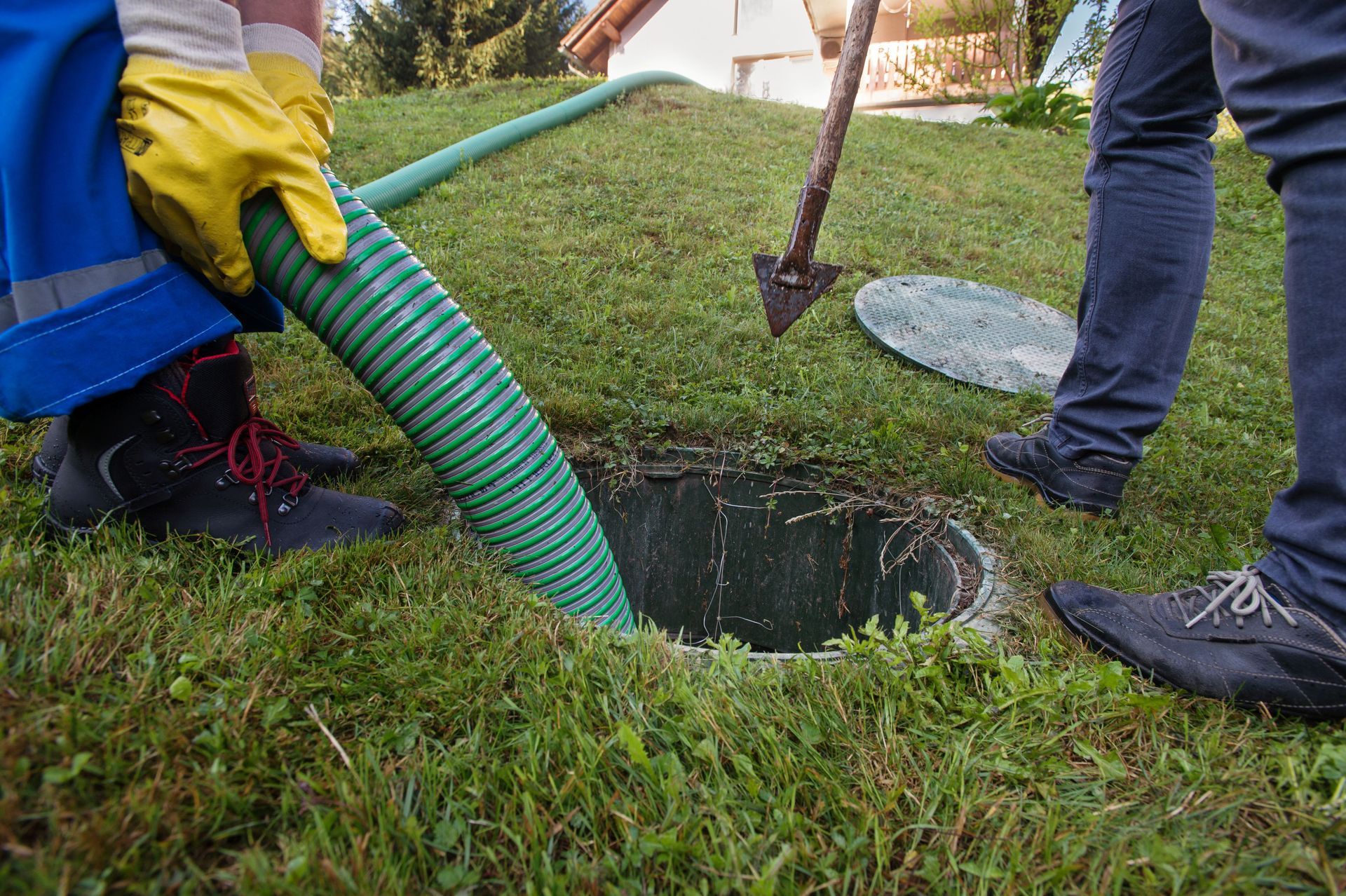
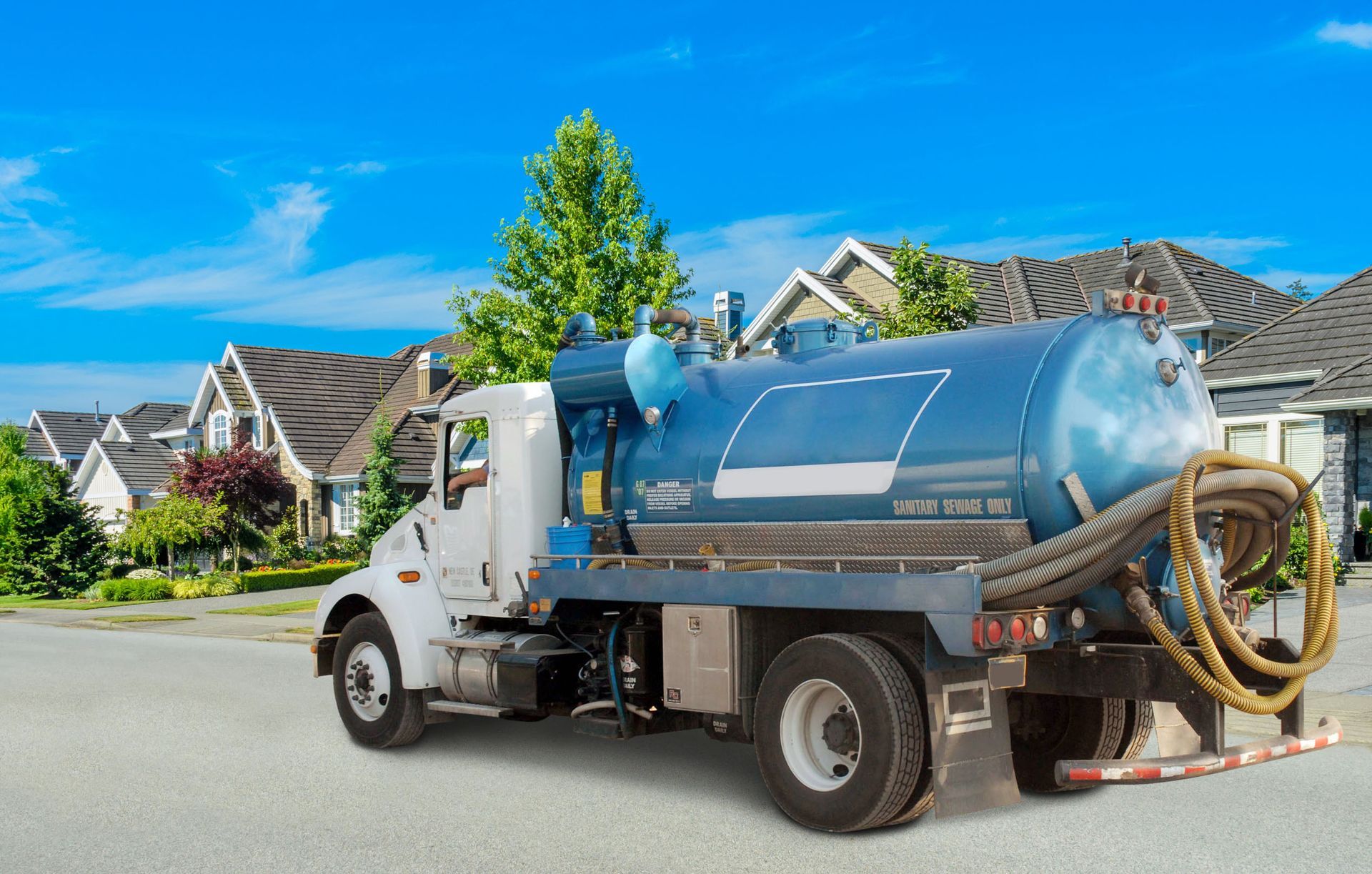
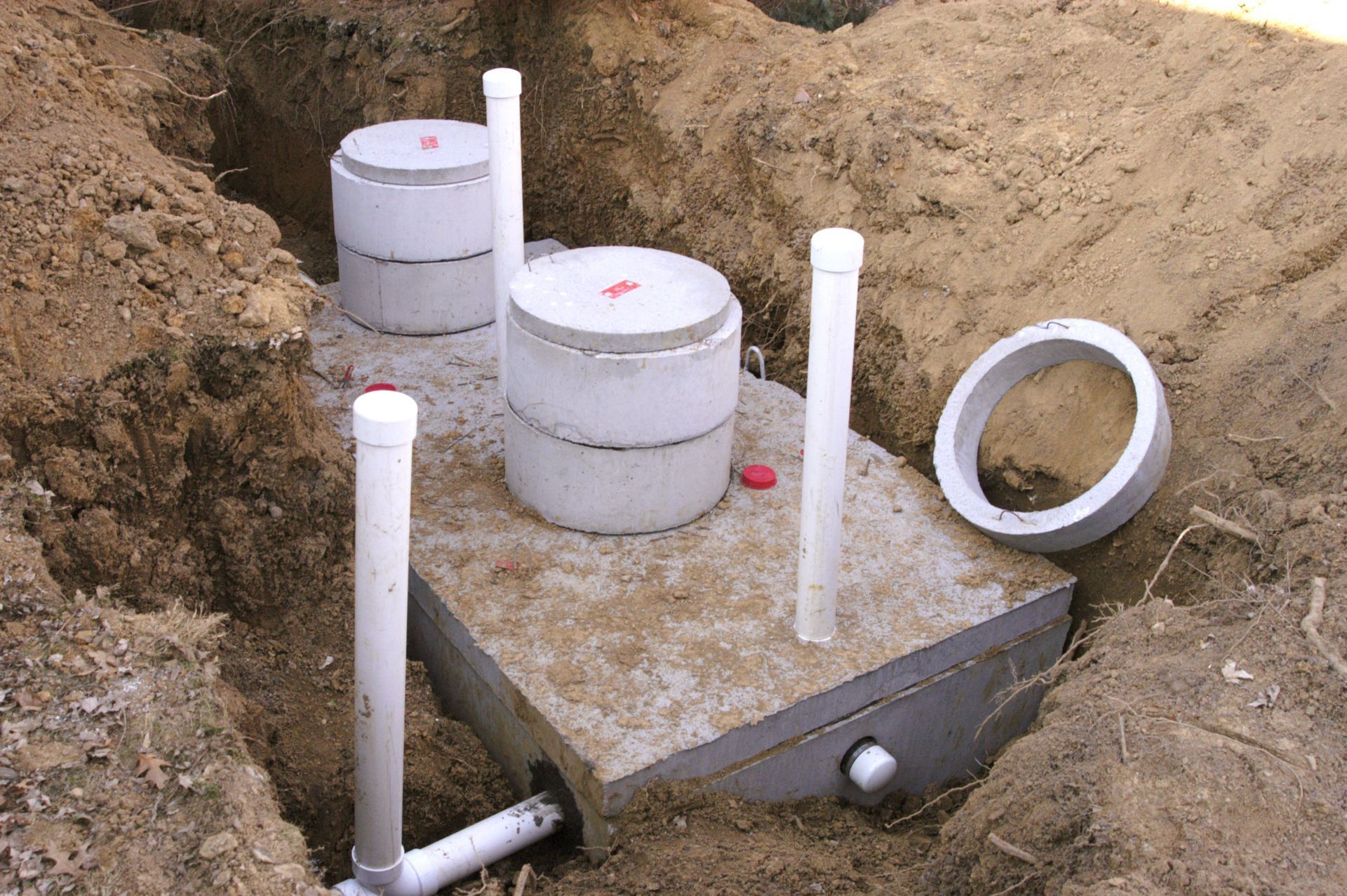
A septic system is one of the most important yet least visible parts of your home’s infrastructure. When it’s working properly, wastewater flows efficiently, odors stay contained, and daily routines run smoothly. But when a septic tank begins to fill or malfunction, problems can escalate quickly—leading to backups, foul smells, property damage, and expensive repairs. Knowing when to schedule septic tank pumping is essential to keeping your system functioning reliably. According to the EPA, more than 60 million people in the nation are served by septic systems, which means millions of homeowners depend on proper maintenance to avoid costly issues. Working with a trusted septic company ensures your system receives timely care and continues operating safely for years to come.
Most septic tanks require pumping every three to five years, according to our team, but usage habits, tank size, and household occupancy can all influence how often service is needed. Because the tank gradually fills with solids that cannot break down naturally, ignoring routine pumping increases the risk of clogs, drainfield failure, and wastewater backups. Fortunately, septic systems usually show early warning signs when something is wrong. Recognizing these symptoms helps homeowners schedule care before a minor issue becomes a major emergency.
Slow Drains Throughout the Home
One of the earliest and most common indicators of a full septic tank is slow drainage. If sinks, showers, and tubs take noticeably longer to empty, it may be a sign that wastewater has nowhere to go. When the tank reaches capacity, it slows the flow of water through the plumbing system, causing drains to become sluggish.
While a single slow drain may point to a localized clog, multiple slow drains throughout the house usually indicate a septic-related issue. A professional septic company can determine whether the problem lies within the tank or the plumbing system. Pumping the tank often restores normal drainage and prevents wastewater from backing up into your home.
Gurgling Sounds in Pipes
Unusual noises coming from your pipes or drains can be a sign of trouble. Gurgling sounds often occur when trapped air escapes through the plumbing, indicating that wastewater is struggling to move through the system due to an overfull tank.
These sounds are especially concerning if they occur frequently after flushing toilets or running water. A septic company can inspect the system to identify the cause and determine whether pumping or additional maintenance is needed. Addressing these noises early can help prevent more severe problems like clogs or backups.
Unpleasant Odors Indoors or Outdoors
Strong, persistent odors are one of the most unmistakable signs that your septic tank needs attention. When the tank becomes overloaded, gases and smells may escape into your yard, near drains, or even inside the home. These odors are not only unpleasant but also often indicate that wastewater is not being processed correctly.
Outdoor smells typically appear around the drainfield or near the tank itself. Indoor odors may emerge from sinks, tubs, or toilets. A septic company can diagnose the issue and recommend pumping before foul smells develop into full-blown sewage backups.
Water Pooling in the Yard
Standing water or unusually damp patches in your yard—especially near the drainfield—can signal that your septic tank is overflowing. When wastewater cannot flow into an overloaded tank, it begins to rise to the surface, saturating the soil. Pooling water is often accompanied by soft, spongy ground or strong odors.
This type of problem requires immediate attention, as it can contaminate soil, attract pests, and damage landscaping. A septic company can pump the tank and evaluate whether additional repairs are needed to restore proper drainage and prevent further harm to your property.
Greener or Faster-Growing Grass Over the Drainfield
While a lush lawn is usually considered a good thing, unusually bright green or fast-growing grass directly above the drainfield often signals a problem. When wastewater rises to the surface, it acts as a fertilizer, causing the grass to grow more rapidly than the surrounding areas.
This visual cue is one of the more subtle signs of septic distress and can go unnoticed if homeowners are not monitoring their yards regularly. Scheduling service with a septic company ensures the tank is cleared before the drainfield becomes damaged, saving you from costly restoration work later on.
Frequent Toilet Backups
Toilet backups are one of the most unpleasant and stressful signs of a failing or full septic system. If your toilet frequently clogs or overflows despite careful use, the issue may extend deeper than the plumbing. When the septic tank is full, wastewater cannot enter it, causing waste to push back into the home.
Backups require immediate attention, as they pose health risks and can cause extensive interior damage. A septic company can quickly assess the situation, pump the tank, and ensure that your system begins functioning properly again.
High Nitrate Levels in Well Water
For homes with private wells, high nitrate levels in drinking water can indicate septic problems. When a septic tank is overdue for pumping, wastewater may seep into the surrounding soil and contaminate groundwater. While this sign is less visible than pooling water or slow drains, it is one of the most serious risks associated with neglected septic systems.
Regular testing of well water can help identify contamination early. If nitrate levels increase, contacting a septic company to inspect and pump your system is essential. Protecting your drinking water should always be a top priority.
Sewage Odors or Moisture in the Basement
If you notice sewage-like odors or unexplained dampness in your basement, your septic system may be reaching capacity. Wastewater backup can begin in lower levels of the home before appearing on upper floors, making basements an early warning area.
A septic company can identify whether the moisture is due to plumbing issues, septic tank overflow, or drainfield problems. Addressing the issue early helps prevent extensive water damage and mold growth.
Increased Flies or Pests in the Yard
Wastewater pooling in the yard or leaking from the drainfield attracts flies, insects, and rodents. If you notice an increase in pest activity near your septic area, it may be due to sewage surfacing from an overflowing tank.
While pest presence alone doesn’t confirm a septic issue, it often accompanies other warning signs. Pumping the tank and repairing any leaks removes the source of the problem and helps restore sanitary conditions around your property.
System Overdue for Scheduled Pumping
Perhaps the simplest sign of all is that your system is overdue for routine service. Even if no visible problems have emerged, septic tanks gradually fill with solids and require pumping every few years. Waiting until symptoms appear can result in costly repairs and long-term damage.
Scheduling regular maintenance with a septic company ensures your system operates efficiently, protects your property, and avoids emergencies. A proactive approach is always more affordable and convenient than reacting to a septic crisis.
Recognizing the signs of a full or failing septic tank is essential to protecting your home, your yard, and your peace of mind. Slow drains, odors, pooling water, backups, and unusual lawn growth all signal that your system needs attention. With more than so many Americans relying on septic systems, timely maintenance is crucial for preventing contamination and costly repairs. When your system needs expert care, John C Cascio Septic Service provides reliable, professional support to keep your system running smoothly. Contact our team today to schedule your septic pumping and maintain a safe, efficient wastewater system for your home.