March 18, 2026
Septic systems are essential for many homeowners, especially in areas without access to municipal sewage. They quietly process wastewater, keeping your home sanitary and your environment safe. Despite their importance, septic systems are often overlooked until a problem arises, which can lead to costly repairs and inconvenient disruptions. Identifying common septic repair issues and knowing how to prevent them can save you both time and money.
While septic systems are designed to last for decades with proper care, neglect or improper use can quickly turn routine maintenance into a major headache. From clogs and leaks to drainage issues and backup problems, septic failures can impact your home in ways you might not anticipate. Educating yourself on these common problems and adopting simple preventative measures will ensure your septic system continues functioning efficiently for years to come.
1. Preventing Clogs and Tank Overflows
A clogged or overflowing septic tank is one of the most frequent issues homeowners face. This usually occurs when solids accumulate faster than they are removed, causing the tank to back up into your plumbing or drain field. The consequences can range from unpleasant odors in the yard to wastewater entering your home, creating a serious health hazard.
Preventing clogs starts with regular maintenance. Avoid flushing items that are not biodegradable, such as wipes, feminine hygiene products, or paper towels. These materials do not break down naturally and can cause blockages in both your pipes and the tank itself. Using septic-safe products and being mindful of what enters the system is a simple way to reduce the risk of clogs.
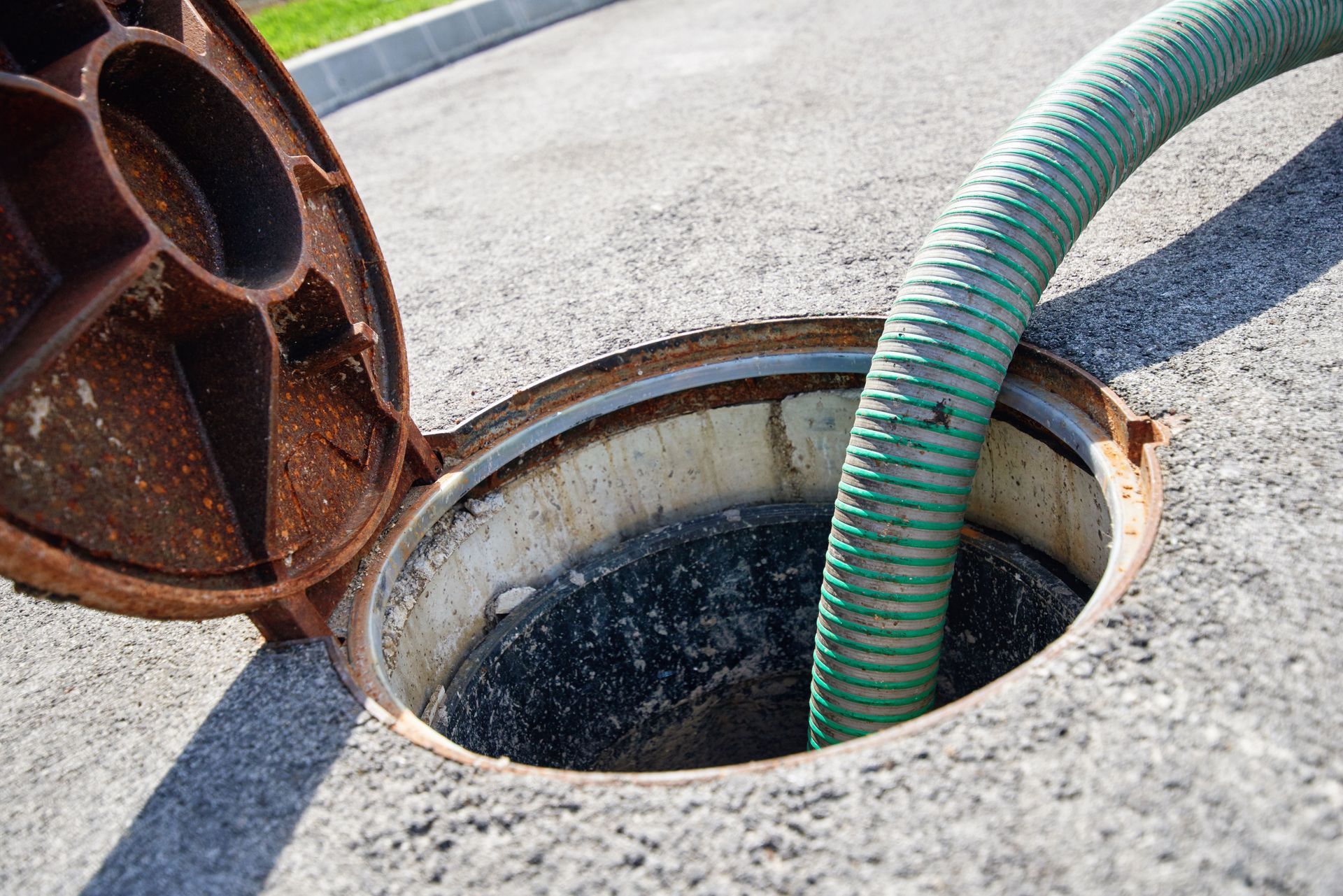
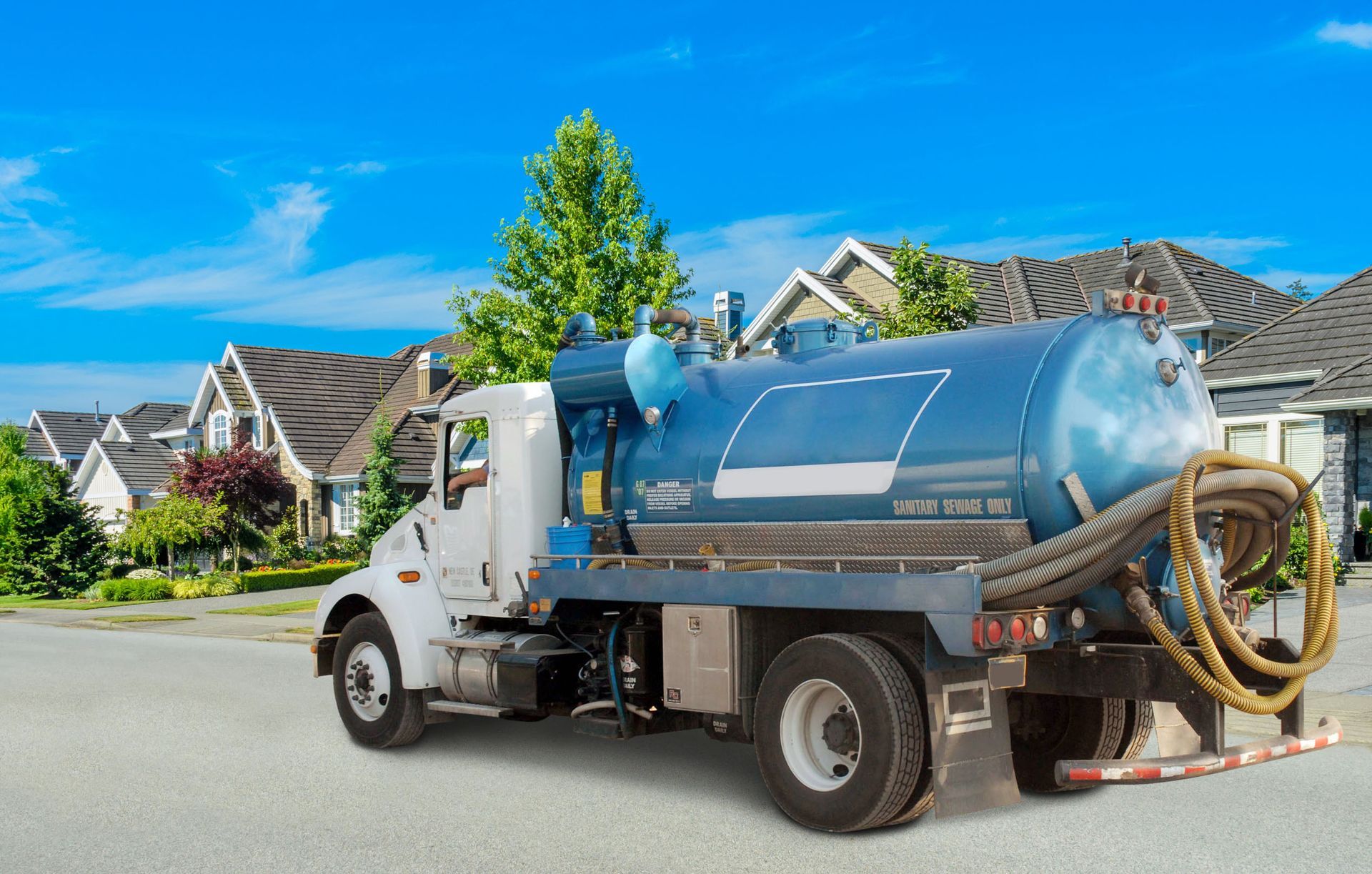
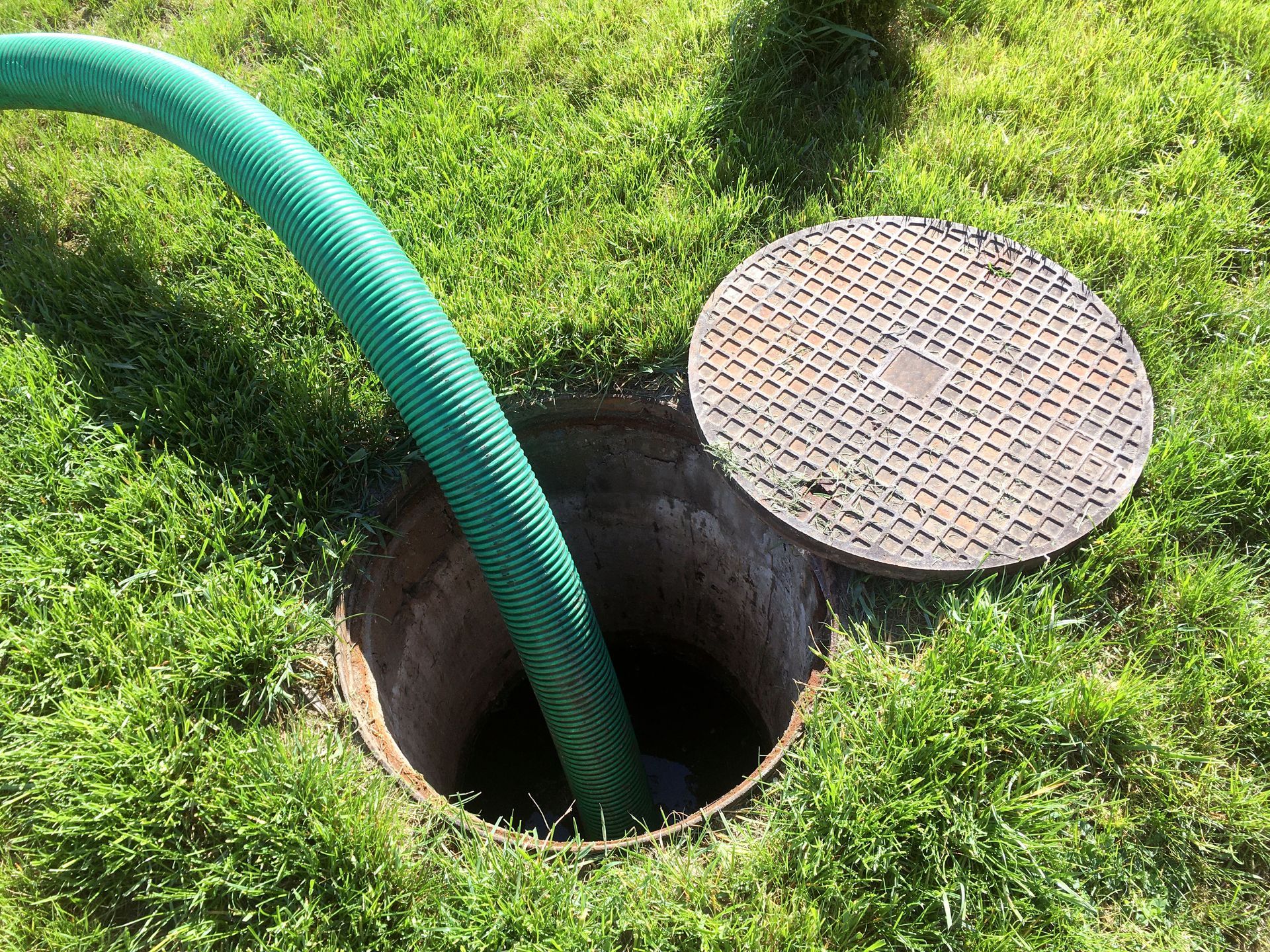
Another key preventive step is routine pumping. According to Zipdo, the standard septic tank should be pumped every three to five years to prevent failure. This schedule may vary based on household size, water usage, and tank capacity, but following it helps remove accumulated solids before they cause a problem. Professional inspection during pumping also allows early detection of potential issues like leaks or cracks.
Lastly, maintaining your tank’s inlet and outlet filters can help prevent debris from entering the drain field. Regularly cleaning these filters ensures that only treated wastewater moves into the soil, protecting the efficiency and longevity of the entire system. Simple maintenance can prevent most clog-related emergencies and save you from costly septic repair issues.
2. Avoiding Leaks and Pipe Damage
Leaking or cracked pipes in a septic system can result in wastewater seeping into the surrounding soil, creating environmental hazards and potential health risks. Cracks often develop due to age, tree root intrusion, or ground movement, and they can go unnoticed until a backup occurs or pooling water appears in the yard.
Avoiding pipe damage starts with careful landscaping. Large trees planted too close to your septic system can cause roots to infiltrate pipes, leading to cracks and blockages. Keep heavy vehicles or machinery off areas where pipes are buried to prevent stress fractures. Regular inspections, especially after extreme weather or construction near the system, are crucial for catching minor issues before they escalate.
If you suspect a leak, hiring a professional to perform a camera inspection of your pipes can identify problem areas without unnecessary digging. Modern inspection technology allows for precise diagnosis, so you can initiate septic repair or parts replacement instead of replacing the entire system. Quick action prevents further contamination and soil damage around the septic system.
Another preventive measure is monitoring water usage. Excessive water flow can strain pipes, especially older ones, increasing the risk of leaks. Spread out laundry loads, fix dripping faucets, and use water-efficient appliances to maintain balanced flow. Taking these steps reduces wear and tear on your system and prolongs the life of your pipes.
3. Protecting Your Drain Field
The drain field, also known as the leach field, is a critical component of a septic system that allows treated wastewater to percolate into the soil. Failures in the drain field are often caused by soil compaction, excessive water use, or clogging of the distribution lines, resulting in slow drainage or pooling of water on the surface. These issues can lead to serious environmental contamination and require expensive septic repair services.
To prevent drain field failure, avoid overloading your septic system. This means managing water usage and spreading tasks like laundry and dishwashing throughout the week rather than all at once. Excess water can saturate the soil, impairing its ability to filter effluent properly and causing backups in the system.
Protecting the physical area around the drain field is equally important. Never park vehicles, place structures, or plant deep-rooted trees over the field. Soil compaction and root intrusion are among the leading causes of drain field damage, and keeping the area clear preserves proper drainage. Simple landscaping adjustments can significantly extend the life of your drain field.
Regular inspection and maintenance also play a key role. Professionals can check for uneven settling, pooling water, or unusual vegetation growth, all of which indicate potential drain field issues. Early detection allows targeted interventions, such as aeration or line repairs, preventing a total system failure that could require costly excavation or replacement.
4. Stopping Backups and Sewage Overflow
Backups and overflows are among the most stressful septic issues homeowners face. These occur when wastewater cannot move through the system efficiently due to blockages, full tanks, or drain field problems. Signs include slow drains, gurgling toilets, foul odors, and even sewage surfacing in your yard. Left unchecked, these problems can compromise your home’s plumbing and create health hazards.
The first step in avoiding backups is understanding what should and shouldn’t go down your drains. Foods, fats, oils, grease, and non-degradable items can quickly create blockages that require septic repair services. Using sink strainers and properly disposing of grease and other solids keeps pipes and tanks flowing freely.
Another preventative measure is adhering to a pumping schedule. Tanks that aren’t emptied regularly become overfilled, increasing the likelihood of overflow. Even if no immediate problem is evident, scheduled pumping removes accumulated solids and reduces the risk of backups. Combined with professional inspections, this strategy keeps your system running smoothly.
Maintaining the septic system’s venting and plumbing connections is essential. Clogged vents or misaligned pipes can cause pressure issues that force wastewater back into your home. Ensuring proper airflow and unobstructed plumbing connections prevents pressure buildup and encourages consistent flow, helping to avoid the unpleasant and potentially dangerous consequences of a backup.
Septic systems are designed to operate quietly and efficiently, but they require proactive care to avoid major septic repair problems. Clogs, leaks, drain field failures, and backups are among the most common issues homeowners face, yet all of these can be mitigated with regular maintenance, mindful usage, and timely inspections. Understanding your system and knowing what to watch for makes it easier to prevent costly emergencies.
Following preventive measures such as routine pumping, careful water management, proper disposal practices, and regular professional inspections can extend the lifespan of your septic system and protect your home from unexpected disruptions. Taking these steps not only safeguards your investment but also ensures a safe and healthy environment for your family.
Keep your septic system running smoothly and avoid costly issues by partnering with the team at John C Cascio Septic Service. Contact us today for reliable septic repair and professional maintenance you can count on.